Recognizing and Treating Kitten Ear Infections at Home

Recognizing and Treating Kitten Ear Infections at Home
If your kitten has been scratching at their ears, shaking their head, or you have noticed a change in their usual behavior, you may be worried about an ear infection. Ear problems in young cats can develop quickly, especially during the warm, humid summer months here in South Orange County. At ScoutR, we understand how important it is for cat owners to spot early warning signs and to get convenient, stress-free support. Our mobile veterinary team provides in-home care, so your kitten can receive a thorough evaluation and treatment in the comfort of your home. In this blog, we will guide you through the early signs of ear infections in kittens, common causes, how our in-home veterinary team can help, steps you can take at home, and when to seek professional care. By understanding the symptoms and knowing when to reach out for help, you can help your kitten stay healthy and comfortable all year round.
How to Recognize Ear Infections in Kittens
Kittens are curious and playful, but when something is wrong with their ears, changes in their routine may become obvious. Key symptoms of an ear infection include frequent scratching or pawing at the ears, shaking their head more than usual, or tilting it to one side. You might notice your kitten rubbing their head against furniture or the floor, or avoiding being touched around the ears altogether. Sometimes, a foul smell or discharge can develop, and the inside of the ear may appear red, swollen, or even crusty. In more serious cases, kittens can lose their balance, seem lethargic, or act irritable.
Paying attention to these subtle changes can make all the difference. Early recognition helps prevent complications and keeps your kitten more comfortable. If you notice any of these signs, especially if they develop rapidly or worsen, reaching out for veterinary support is essential. The convenience of in-home visits means your kitten experiences less stress, making it easier for our veterinary professionals to observe behaviors that may not appear in a clinic setting. For more information on how our home visits can help, learn about our in-home veterinary care for cats.
What Causes Ear Infections in Kittens?
Understanding why ear infections occur can help you prevent future problems. In kittens, the most common causes involve ear mites, which are tiny parasites that thrive in the warm environment of a kitten’s ear canal. These mites can cause intense itching and inflammation. Other culprits include yeast or bacterial infections, which may develop if moisture gets trapped in the ear, or if the ear canal becomes irritated by allergies or a foreign object. Sometimes, underlying conditions like polyps or anatomical differences in certain breeds can increase susceptibility.
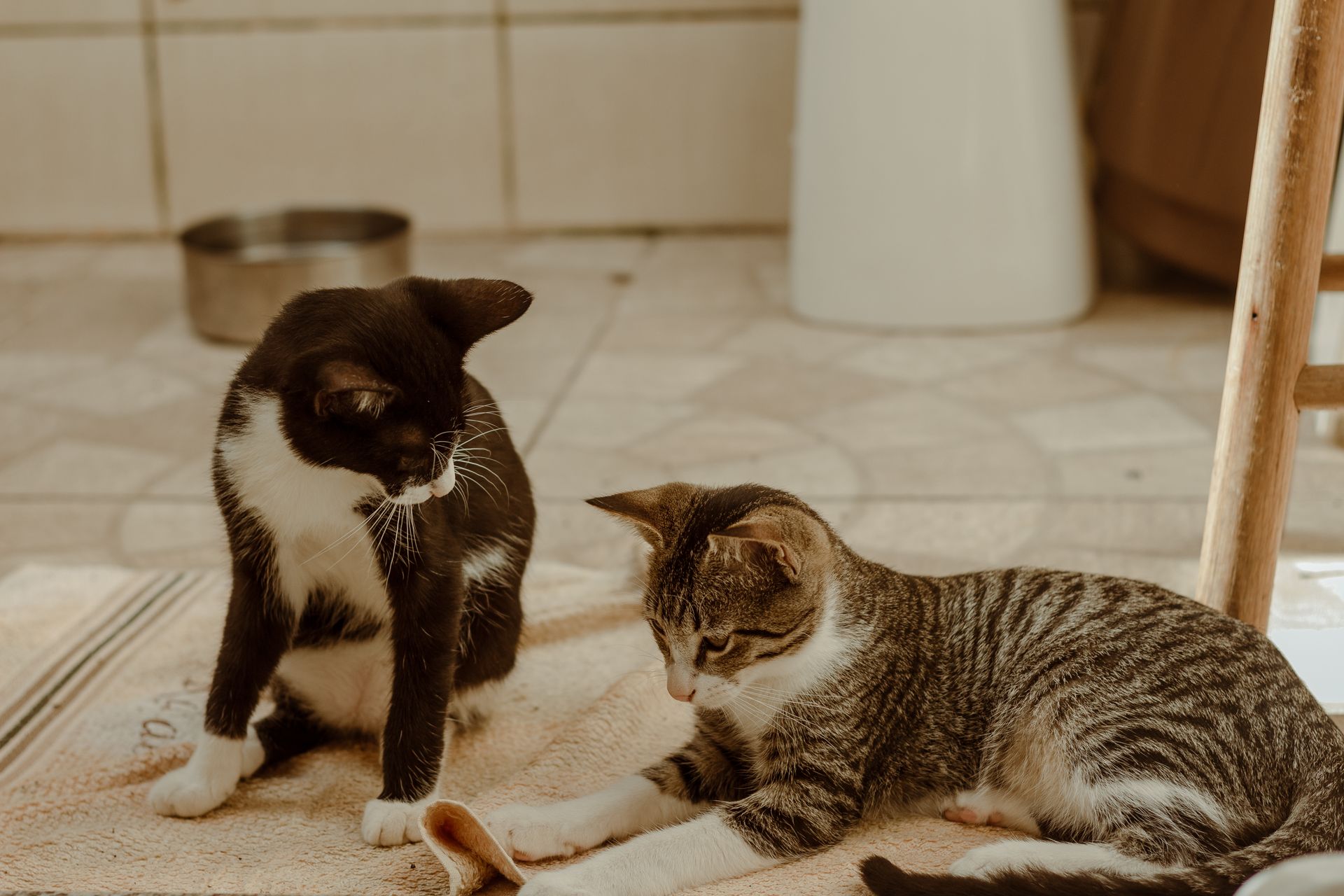
Kittens adopted from shelters or living in multi-cat households are at higher risk, as ear mites and infections can spread easily from one cat to another. The humid climate in South Orange County during summer also creates ideal conditions for bacteria and yeast to multiply, making regular ear checks especially important during this time of year.
How In-Home Veterinary Care Treats Kitten Ear Infections
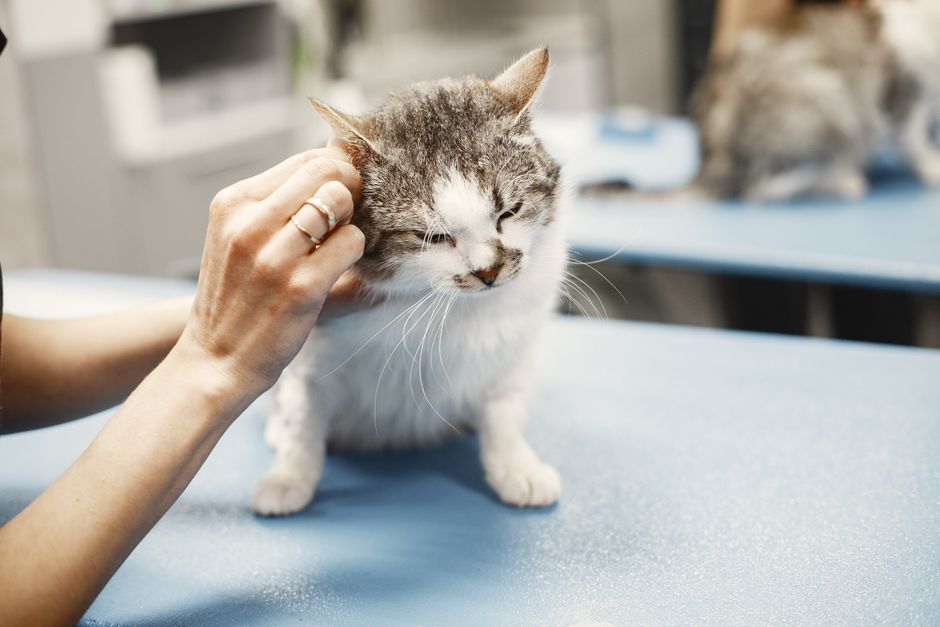
When your kitten is showing signs of an ear infection, timely and professional intervention is crucial. Our mobile veterinary team brings advanced diagnostic tools and compassionate care right to your door. During an in-home evaluation, our veterinarians will carefully examine your kitten’s ears using specialized equipment. We may use a gentle otoscope to look deep inside the ear canal, checking for swelling, redness, discharge, or the presence of ear mites.
If an infection is confirmed, treatment options depend on the cause. For ear mites, topical medications that eliminate the parasites are commonly prescribed. Bacterial or yeast infections require targeted ear drops or ointments, which may need to be administered over several days. In more persistent or severe cases, oral medications or further diagnostics might be necessary, such as ear swabs or cultures to identify the specific organism involved. Our team will demonstrate how to safely administer any prescribed medications during your home visit, ensuring you feel confident caring for your kitten.
For kittens with chronic infections or structural issues, further procedures may be required. In rare instances, surgical intervention can be necessary to resolve stubborn infections and restore ear health. If your kitten’s situation calls for advanced treatment, our team can discuss options and provide continuity of care, including post-treatment RVT Wellness and Recovery Visits to support ongoing healing and comfort.
Home Care and Prevention Tips for Kitten Ear Health
Prevention is always better than cure, and many ear infections can be avoided with simple home routines. Regularly inspecting your kitten’s ears helps catch problems early. Look for redness, debris, or any change in smell. Gently cleaning your kitten’s ears with a veterinary-recommended cleanser, as directed by your veterinarian, can help remove wax and prevent buildup. However, it is important to avoid over-cleaning, as this can irritate sensitive ear tissue.
If your kitten is prone to allergies, managing environmental triggers such as dust, pollen, or certain foods can reduce inflammation and lower the risk of infection. Keeping your home clean and ensuring your kitten’s bedding is washed frequently helps minimize exposure to pests and allergens. In multi-cat households, regular veterinary checks are especially important to detect and treat ear mites before they spread.
When introducing your kitten to water play or bathing, always keep their ears dry. Moisture trapped in the ear canal is a common trigger for bacterial and yeast infections. If your kitten loves exploring outdoors, check their ears regularly for plant material or foreign objects that could become lodged and cause irritation.
When to Seek Professional Veterinary Care
Some mild ear irritations may resolve with simple home monitoring, but there are clear situations where professional help is essential. If your kitten’s symptoms persist for more than a day or two, or if you notice signs such as severe redness, swelling, pus, foul odor, or a sudden change in behavior, contact a veterinarian as soon as possible. Head tilting, loss of balance, or hearing loss are signs of a more advanced infection that requires immediate attention.
Attempting to treat ear infections with home remedies or over-the-counter products can sometimes do more harm than good. The delicate structures of a kitten’s ear demand precise care, and improper cleaning or medication can cause pain, worsen the infection, or even result in long-term damage. The benefit of in-home veterinary support is that your kitten receives expert care without the added stress of travel or unfamiliar environments.
If you are unsure whether your kitten’s symptoms require veterinary attention, it is always safer to err on the side of caution. Our team is happy to answer your questions, provide telehealth guidance, or schedule a disease management visit as needed.
Why Choose In-Home Care for Kitten Ear Infections?
Having your kitten treated at home offers numerous advantages. In-home veterinary care eliminates the stress of car rides and waiting rooms, which can be especially important for kittens who may already feel unwell. Our veterinarians get to observe your kitten’s behavior in their normal environment, providing more accurate assessments and tailored advice. Home visits also allow for immediate family involvement, so everyone can learn how to support your kitten’s recovery and prevent future problems.
ScoutR serves South Orange County and surrounding communities, offering flexible scheduling and a focus on feline wellness. Whether you are in Mission Viejo, Lake Forest, Laguna Hills, or nearby, we come to you with the tools and expertise needed to address your kitten’s health concerns quickly and gently. Our services include comprehensive exams, ongoing monitoring, and personalized recovery plans that prioritize both your kitten’s comfort and your peace of mind.
Keeping Your Kitten Healthy: Next Steps and Support
Recognizing and treating ear infections early can make a world of difference for your kitten’s health and happiness. If you notice signs such as persistent scratching, unusual head movements, or changes in demeanor, do not wait for symptoms to worsen. The mobile veterinary professionals at ScoutR are ready to help with expert in-home care, so your kitten receives the attention they need without ever leaving the comfort of your home.
If you are searching for a mobile vet near me, trust our experienced team for prompt, compassionate service. To schedule an in-home visit or discuss your kitten’s symptoms, call (805) 451-0154 today or explore our in-home veterinary care for cats to learn more about our approach. Your kitten deserves a healthy, comfortable start in life—let us help you make that possible, right where you and your cat feel most at home.
This article is for informational purposes only and should not replace professional veterinary advice. If you have concerns about your kitten’s health, consult your veterinarian promptly.