Recognizing and Treating Kitten Ear Infections at Home

Recognizing and Treating Kitten Ear Infections at Home
Is your kitten shaking her head, scratching at her ears, or just not acting like herself? As a caring cat owner in South Orange County, it can be unsettling to notice these changes and wonder if your kitten is developing an ear infection. The good news is that with today’s in-home veterinary care options, such as those offered by ScoutR Pet Health & Wellness, spotting and treating ear infections can be handled in the comfort of your home. This approach means less stress for your kitten and more peace of mind for you, as our mobile veterinary team brings feline-focused expertise right to your door. In this blog, we will guide you through the early signs of kitten ear infections, discuss what causes these problems, explore how in-home treatment works, and share tips for keeping your cat’s ears healthy in the long run. You will also learn when it’s time to reach out to a veterinary professional for help and how ScoutR’s commitment to personalized, continuous feline care supports healthier, happier cats across South Orange County and surrounding communities.
Spotting the Signs: How to Recognize Kitten Ear Infections
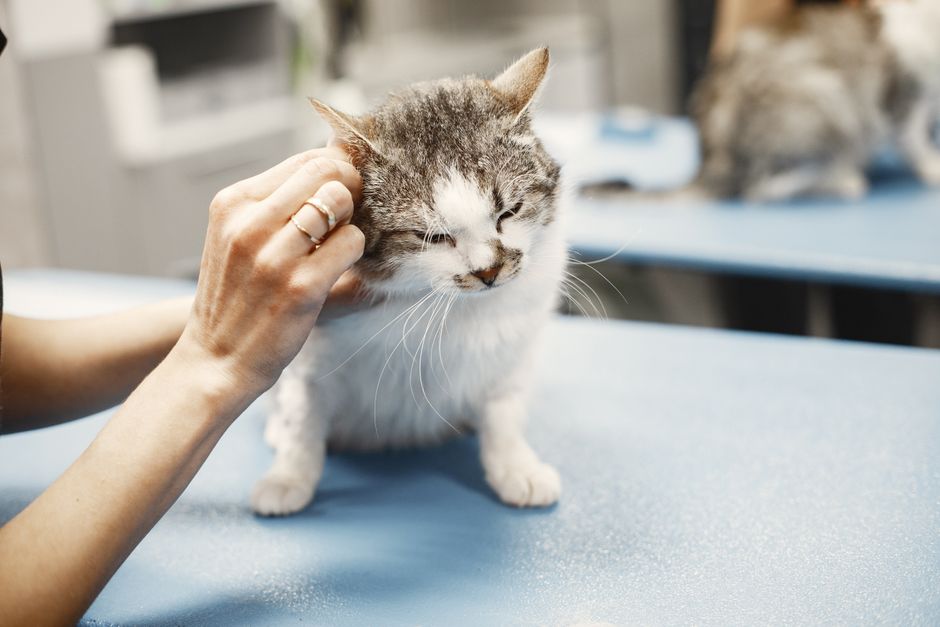
Kittens are curious and playful, but when ear discomfort strikes, their behavior often changes. Recognizing these early warning signs is crucial for prompt care. Common symptoms of ear infections in kittens include frequent head shaking, persistent scratching or pawing at the ears, and noticeable redness or swelling inside the ear flap. You may also notice an unpleasant odor coming from the ears, a dark or yellowish discharge, or scabs and hair loss around the ear area. Some kittens become less active, seem irritable, or may tilt their heads to one side. In severe cases, balance problems or unusual eye movements can develop. If your kitten seems more sensitive than usual when you touch her ears or if she avoids being petted around the head, these may also indicate an issue.
Paying attention to subtle changes in your kitten’s grooming habits or social behavior can help you catch problems early. Since kittens have smaller ear canals and developing immune systems, infections can worsen quickly without intervention. If you observe any of these signs, especially if they persist for more than a day or two, it is time to consider a veterinary assessment at home. ScoutR’s in-home visits are designed to minimize stress for your feline companion while providing a thorough examination and accurate diagnosis in familiar surroundings.
Understanding the Causes: Why Do Kittens Get Ear Infections?
Ear infections in kittens are surprisingly common and can result from a variety of causes. The most frequent culprit is ear mites, tiny parasites that thrive in the warm, sheltered environment of a kitten’s ear canal. These mites cause intense itching and inflammation, making kittens particularly uncomfortable. In addition to parasites, bacterial or yeast infections can develop, often secondary to moisture trapped in the ears or underlying allergies. Kittens that have recently been adopted, exposed to other cats, or that have not yet completed their vaccination series may be especially vulnerable.
Other factors that contribute to ear infections include anatomical issues such as narrow or hairy ear canals, as well as injuries from rough play or overzealous cleaning at home. Sometimes, foreign material like plant matter or debris can become lodged in the ear, leading to irritation and infection. It is important to remember that untreated infections can lead to more serious complications, including chronic inflammation, hearing loss, or even the need for surgical intervention in extreme cases.
In-Home Treatment and Professional Management for Kitten Ear Infections
When it comes to treating ear infections, accurate diagnosis is the first step. During a ScoutR in-home veterinary visit, our feline-focused team performs a gentle, thorough ear examination using specialized equipment, allowing us to assess the extent of the problem without subjecting your kitten to the stress of travel or a busy clinic environment. If an infection is suspected, we may collect a small sample of ear debris for microscopic evaluation to determine if mites, bacteria, or yeast are present.
Treatment approaches depend on the underlying cause. For ear mites, prescription topical medications are used to eliminate the parasites; these treatments are safe, effective, and formulated specifically for cats. Bacterial or yeast infections require targeted ear drops or ointments, and in some cases, oral medications may be necessary if the infection is severe or has spread beyond the ear canal. Throughout treatment, our veterinary team will provide detailed instructions on how to safely clean your kitten’s ears and administer any prescribed medications.
For kittens with recurrent or complicated ear infections, additional diagnostics such as vet ultrasound or advanced imaging may be recommended to rule out underlying conditions. In rare cases where medical therapy does not resolve the problem, surgical options, such as those described on our veterinary ear surgery services page, can be discussed. However, the vast majority of kitten ear infections respond well to prompt, in-home veterinary care and diligent follow-up.
Preventing Kitten Ear Infections and Supporting Healthy Ears at Home
While some ear infections are unavoidable, there are several steps you can take to reduce your kitten’s risk. Keeping your home environment clean and free from excessive dust or allergens supports overall ear health. Regularly inspecting your kitten’s ears for redness, debris, or odor helps you catch problems before they escalate. If your kitten is prone to wax buildup or has a history of ear issues, our veterinary team can demonstrate safe cleaning techniques during your home visit.
Preventing exposure to ear mites is especially important in multi-cat households or when introducing a new kitten to existing cats. Quarantine new arrivals and ensure all cats are checked for parasites during routine wellness visits. Avoid using cotton swabs or inserting objects deeply into your kitten’s ears, as this can cause injury or push debris further into the canal. Nutrition, vaccination, and regular in-home vet care also play important roles in building your kitten’s immune defenses and catching early signs of illness.
ScoutR’s ongoing membership model and near-continuous monitoring provide added peace of mind, as our veterinary professionals can track your cat’s progress and adjust care plans as needed. Should your kitten require extra support after an infection, RVT wellness and recovery visits are available to help with medication administration, monitoring, and home-care guidance.
When to Seek Veterinary Care for Your Kitten’s Ears
Prompt veterinary attention is vital if your kitten’s symptoms worsen or do not improve within a couple of days. You should reach out to a veterinary professional if you notice severe redness, swelling, or discharge that is yellow, brown, or foul-smelling; if your kitten is in obvious discomfort, off her food, or seems unusually lethargic; or if you observe head tilting, loss of balance, or involuntary eye movements. These may indicate a more advanced infection or complications that require immediate intervention.
Because kittens are especially sensitive to illness, erring on the side of caution is always best. Delaying care can result in unnecessary suffering or more complex medical problems. With in-home veterinary services like ScoutR, you do not need to worry about stressful car rides or long clinic waits; our mobile team brings experienced, cat-focused care directly to your living room. This ensures early diagnosis, effective treatment, and a quicker return to purring and play.
If you are unsure whether your kitten’s symptoms require professional evaluation, consider scheduling a discovery veterinary visit for a thorough assessment and personalized care plan.
Compassionate, Stress-Free In-Home Feline Care in South Orange County
Caring for a kitten means being prepared for unexpected health concerns, but you do not have to face them alone. Recognizing and treating ear infections at home is easier than ever with ScoutR Pet Health & Wellness, your trusted partner for in-home veterinary care in South Orange County and nearby communities. Our feline-focused veterinary professionals are dedicated to supporting your cat’s health every step of the way, from early detection of ear problems to advanced treatment and recovery planning.
If you are searching online for a mobile vet near me, know that ScoutR is committed to delivering stress-free home visits, tailored preventive care, and compassionate guidance in the comfort of your home. Whether your kitten needs a routine health check, help with an ear infection, or ongoing disease management, we are here to help.
Reach out today to schedule an in-home visit with our experienced veterinary team by calling (949) 284-6664 or visit us online at scoutr.pet to learn more about our feline wellness services. Together, we can keep your cat healthy, happy, and thriving—all without ever leaving the couch.
This blog is for informational purposes only and should not be considered a substitute for professional veterinary advice. If you suspect your kitten has an ear infection or any urgent health concern, contact a qualified veterinarian for an in-home evaluation as soon as possible.