Protecting Your Cat From Summer Heat in South Orange County

Protecting Your Cat From Summer Heat in South Orange County
Summer in South Orange County brings sun-soaked days and rising temperatures, making it essential for cat owners to consider how the heat affects their feline companions—even those who live strictly indoors. If you’ve ever worried about your cat’s comfort during a July heatwave or wondered how best to keep your kitty cool at home, you’re not alone. At ScoutR, our mobile, feline-focused veterinary team understands the unique challenges that Southern California’s warm climate presents for cats and their caregivers. We come to you, providing in-home care designed to keep your cat healthy and relaxed, especially when the weather turns hot. In this blog, we’ll walk you through the signs of heat stress in cats, why indoor kitties are still at risk, and practical, veterinarian-approved strategies to keep your cat safe, hydrated, and stress-free all summer long—right in the comfort of your home.
Recognizing Signs of Heat Stress in Indoor Cats
Even when your cat spends all their time indoors, high temperatures can still lead to serious health problems. Cats are skilled at hiding discomfort, so it’s important to know what subtle and not-so-subtle signs to watch for. Key symptoms of heat stress in cats include restlessness and pacing, as your cat may search for cooler spots around your home. You might notice your cat grooming more than usual in an attempt to cool down. Open-mouth breathing or panting is a sign of advanced heat stress and should never be ignored. Other warning signs are drooling, red or pale gums, rapid heartbeat, lack of coordination, vomiting, and lethargy. If your cat seems unusually listless or is hiding more than usual during periods of heat, they may already be experiencing the effects of elevated temperatures.
It’s also important to monitor for less obvious changes; increased vocalization, seeking out sinks, bathtubs, or tile floors, and refusing food or water can signal your cat is struggling to stay cool. Cats with long hair, those who are overweight, senior cats, and cats with chronic health conditions are particularly vulnerable to heat-related issues. By recognizing these symptoms early, you can take immediate action to prevent a minor problem from becoming a medical emergency.
Why Are Indoor Cats at Risk During Hot Weather?
Many cat owners assume that indoor environments automatically protect their kitties from the dangers of summer heat. However, homes in South Orange County can heat up quickly, especially during peak afternoon hours or if your air conditioning is limited. Apartments or homes with large windows and poor ventilation can turn into heat traps, putting your cat at risk for overheating. Cats are less efficient at cooling themselves compared to humans; they don’t sweat through their skin, relying instead on grooming and minimal sweat glands in their paws.
Several factors can combine to make indoor cats vulnerable. For example, if your home gets direct sunlight throughout the day, window sills and sunny spots may become dangerously hot. Closed-off rooms with little airflow can also trap heat. Cats often seek out confined spaces, which may not be well-ventilated. Additionally, some indoor cats may become dehydrated more quickly during hot weather if their water bowls dry up or if they are reluctant to drink.
Cats with medical conditions such as heart disease, respiratory issues, hyperthyroidism, or kidney problems are even more sensitive to heat. Medications or recovery from surgery can also impact their ability to regulate body temperature. The combination of high external temperatures, indoor climate challenges, and individual health risks makes it critical to stay vigilant and proactive during the summer months.
How In-Home Veterinary Care Supports Cats in the Heat
ScoutR’s in-home veterinary approach is uniquely positioned to help cats stay comfortable during Southern California summers. By bringing care directly to your living room, our veterinary professionals can assess the specific environmental factors in your home that may contribute to heat stress. During a Discovery Visit, we take the time to evaluate your cat’s individual health status, hydration, and risk factors for heat-related issues.
Our team provides ongoing wellness support through services such as semi-annual comprehensive exams, disease management, and RVT wellness and recovery visits that monitor your cat’s vital signs and recovery progress right where they’re most comfortable. For cats with chronic health concerns or those recovering from surgery, we can recommend adjustments to your home environment and hydration strategies to help your cat stay cool. We also offer near continuous health monitoring using smart devices, which allows us to detect subtle changes in your cat’s condition early—even between visits.
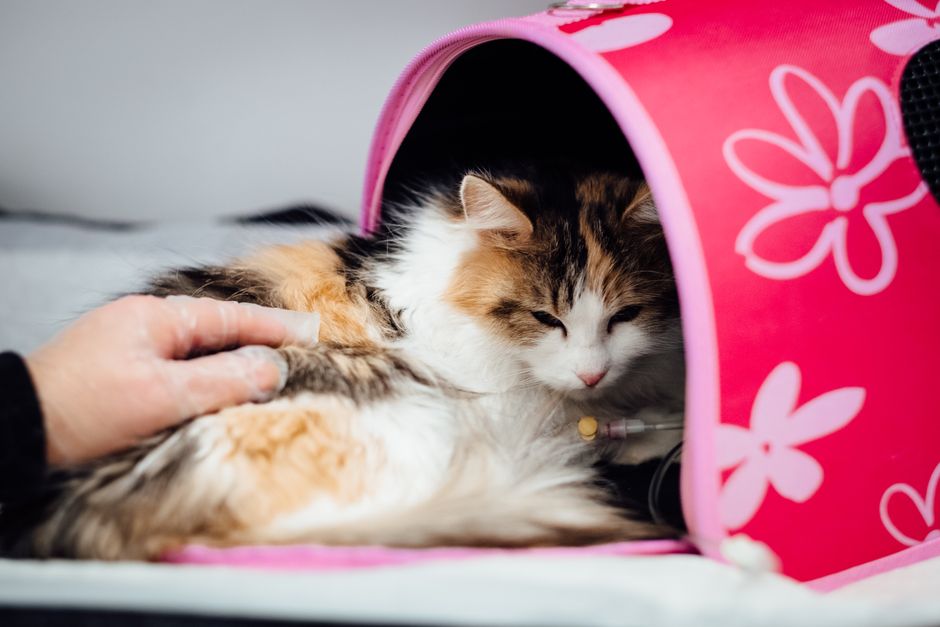
With in-home care, your cat avoids the stress of car rides and clinic waiting rooms, which can be especially taxing during hot weather. Instead, our team comes to you, ensuring that your cat’s summer health is managed with minimal disruption and maximum comfort.
Practical Ways to Keep Your Cat Cool at Home
Keeping your cat safe from the heat doesn’t have to be complicated. Effective strategies start with providing access to fresh, cool water at all times. This may mean placing extra water bowls throughout your home or using a cat water fountain to encourage drinking. Changing the water frequently and adding ice cubes can help keep it appealing during warm afternoons.
Reducing the temperature in your home is also crucial. Closing blinds or curtains during the hottest parts of the day, using fans to circulate air, and ensuring your cat has access to well-ventilated rooms can make a significant difference. Some owners find that creating cozy retreats with cooling mats or damp towels in shaded areas gives their cats a comfortable place to rest. If your cat prefers certain spots, check these areas regularly to ensure they aren’t becoming overheated.
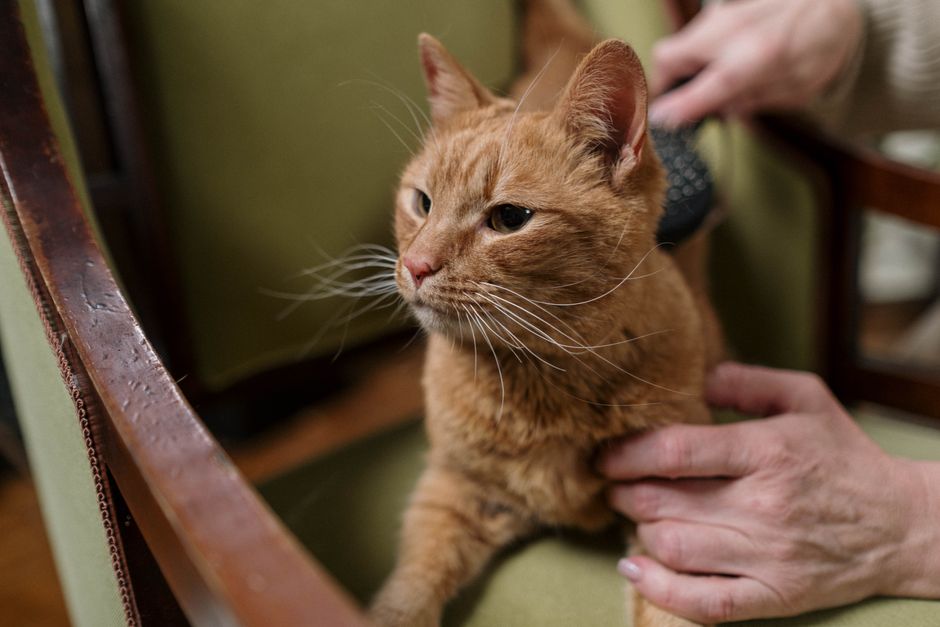
Grooming plays a role in heat management as well. Regularly brushing your cat removes excess fur and reduces matting, allowing heat to dissipate more effectively. For long-haired cats, talk with your veterinarian about whether a summer trim is appropriate; never shave your cat without professional advice, as fur provides protection as well as insulation.
Hydration goes hand-in-hand with cooling. Feeding wet food during the summer months can supplement your cat’s water intake. You can also offer treats such as ice cubes made from low-sodium chicken broth. Remember, some cats are very particular about the shape and location of their water bowls, so experimenting with different options can encourage more frequent drinking.
Lastly, avoid playing vigorous games during the hottest parts of the day. Instead, schedule interactive play in the cooler mornings or evenings, and let your cat rest when the sun is strongest.
When to Call for In-Home Veterinary Care
Sometimes, despite your best efforts, a cat may still show signs of heat stress or dehydration. It’s important to know when to reach out for veterinary help. If your cat is panting, drooling excessively, vomiting, or appears weak and uncoordinated, these are signs that immediate attention is needed. Cats who collapse, have seizures, or are unresponsive require emergency intervention. Don’t wait to see if symptoms resolve on their own; heatstroke can progress rapidly and may be fatal without prompt treatment.
Even if symptoms are less severe, such as decreased appetite, hiding, or subtle changes in behavior, scheduling an in-home visit can provide peace of mind. Our feline-focused veterinary team can assess your cat’s hydration status, check for underlying health issues, and recommend interventions tailored to your unique home environment. For cats with chronic conditions, regular wellness checks and continuous monitoring help catch problems before they escalate, ensuring your cat stays healthy and comfortable.
If you’re unsure whether your cat’s symptoms warrant a visit, it’s always better to err on the side of caution and contact our team. Our approach centers on proactive care and ongoing support, so you never have to face feline health concerns alone.
The Benefits of Stress-Free Home Visits for Summer Cat Care
The convenience of in-home veterinary care can make all the difference during the summer months. At ScoutR, we understand that transporting a cat to a clinic in hot weather is stressful for both owner and feline. By providing care in the comfort of your home, our veterinary team minimizes anxiety and physical risk, especially for cats who are older, medically fragile, or simply dislike travel.
Our service area covers South Orange County and surrounding communities, so you can rely on our team to reach you quickly for both scheduled wellness evaluations and urgent concerns. We offer flexible appointment times, including evenings and weekends, to fit your family’s summer schedule.
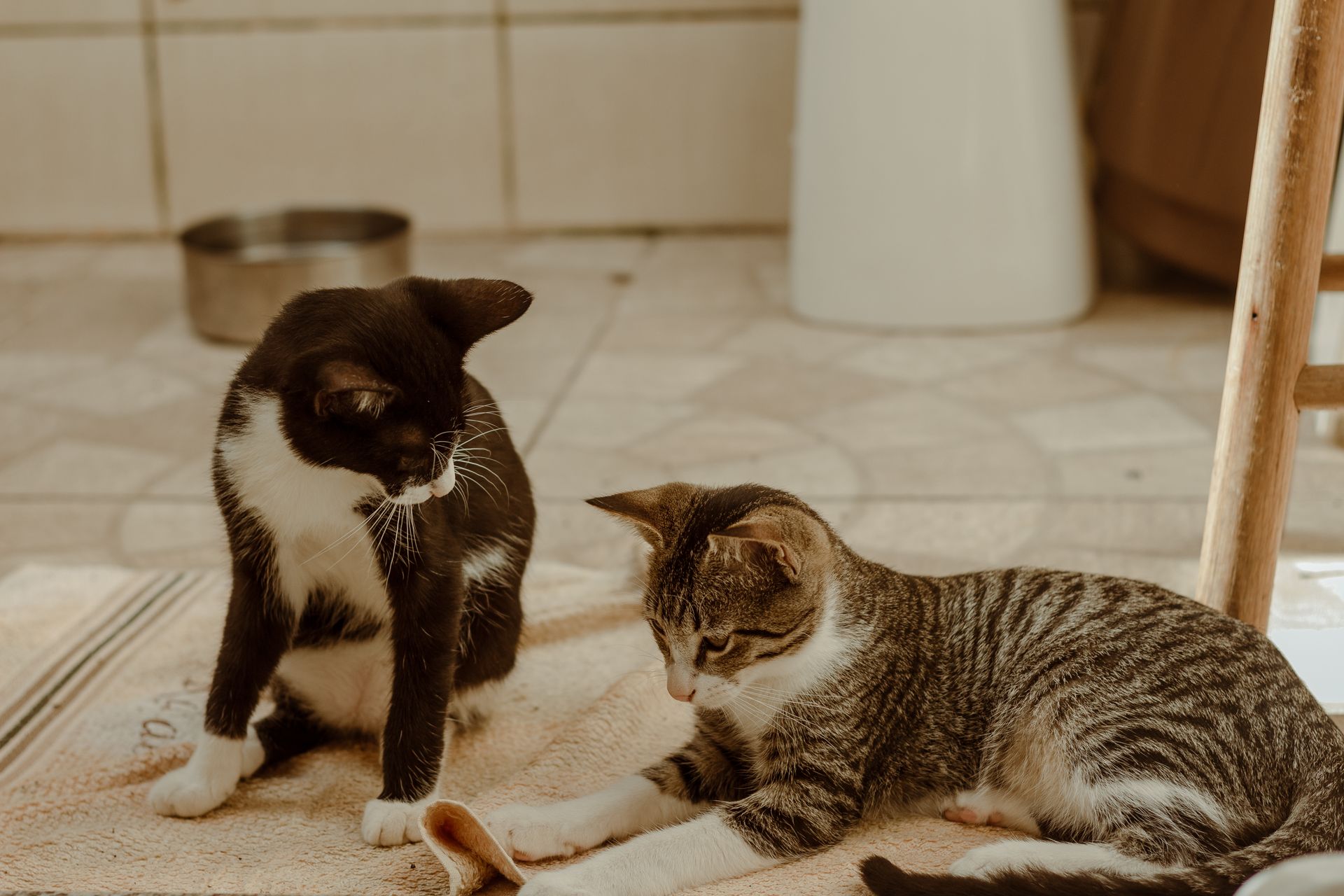
In addition to addressing acute issues, our in-home visits allow us to provide customized advice on optimizing your home for feline health. Whether it’s recommending the best hydration station setup, identifying cooler resting spots, or suggesting environmental modifications for multi-cat households, our guidance is always tailored to your individual needs. For cats who require frequent follow-up, our RVT wellness and recovery visits provide ongoing monitoring and reassurance.
Final Tips and How to Connect With ScoutR This Summer
Summer in South Orange County should be an enjoyable time for you and your cat, not a season of worry. By staying alert to the signs of heat stress, making simple changes to your cat’s environment, and having a proactive plan for hydration and cooling, you can help your feline companion thrive—even when the temperatures soar. Remember, every cat is different; what works for one may not suit another, so observing your cat’s preferences and behavior is key.
If you have questions about your cat’s summer health, or if you notice any concerning symptoms, ScoutR is here to help. Our mobile veterinary team is dedicated to providing expert, compassionate care right in your home, giving both you and your cat peace of mind all season long. To schedule an in-home visit or learn more about our Discovery Visit and ongoing wellness services, call us at (805) 451-0154 or visit our website at scoutr.pet. When searching for a mobile vet near me in South Orange County, trust ScoutR to deliver innovative solutions and attentive, feline-focused care—without ever leaving the comfort of your home.
This blog is provided for informational purposes only and does not replace the advice of your veterinarian. If your cat is experiencing signs of heatstroke or any medical emergency, seek veterinary assistance immediately.