September Cat Dental Health Checklist for South Orange County Homes


September Cat Dental Health Checklist for South Orange County Homes
Caring for your cat’s dental health can sometimes feel overwhelming, especially when your feline friend would rather nap in a sunny window than have their mouth examined. As the warm, dry days of September settle over South Orange County, it’s the perfect time to check in on your cat’s oral health. Many cat owners wonder how to tell if their cat’s teeth and gums are healthy, or when it’s time to seek professional help. At ScoutR Pet Health & Wellness, we specialize in in-home veterinary care designed specifically for cats, bringing modern dental solutions and preventive guidance right to your living room. In this blog, we’ll walk you through an at-home checklist of signs to watch for, explain what puts cats at risk for dental disease, and share how in-home feline dental care with ScoutR helps keep your cat purring contentedly all season long. Our team serves South Orange County and surrounding communities, making dental care convenient and stress-free for both you and your cat.
Recognizing Dental Problems in Your Cat: What to Look For at Home
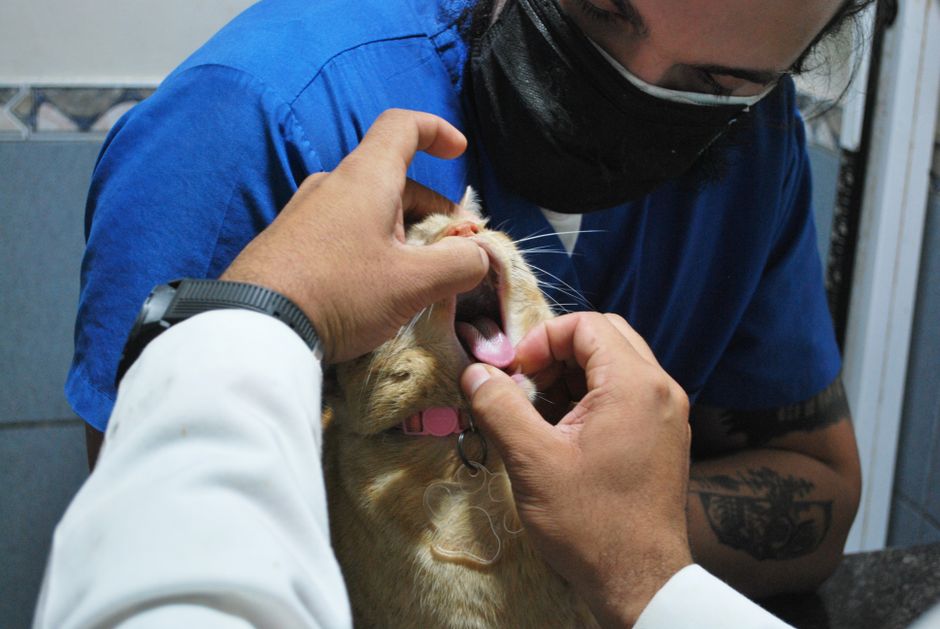
Cats are experts at hiding discomfort, so dental disease often goes unnoticed until it’s advanced. That’s why regular at-home checks are so important. The most common signs of dental trouble in cats include bad breath that doesn’t improve, visible tartar or discoloration on the teeth, and red or swollen gums. You might also notice your cat drooling more than usual, pawing at their mouth, or dropping food while eating. Changes in appetite, reluctance to chew dry food, or sudden fussiness with meals can indicate oral pain. Some cats may become less social or hide more, simply because their mouth hurts. During your September wellness routine, gently lift your cat’s lip and look for any of these changes. If you see ulcers on the gums or tongue, fractured teeth, or any swelling around the jaw, these are urgent warning signs that require veterinary attention.
Why Dental Disease Develops in Cats
Understanding the root causes of feline dental disease helps you stay a step ahead of problems. In most cases, dental issues in cats begin with plaque—a sticky film of bacteria that builds up on the teeth after meals. If not removed, plaque hardens into tartar, which irritates the gums and leads to gingivitis, a common and painful condition. Over time, untreated tartar and gingivitis can progress to periodontitis, where the structures supporting the tooth become damaged, sometimes leading to tooth loss. Some cats are more prone to dental disease due to genetics or underlying health conditions such as diabetes or kidney disease. Age is another important factor; dental problems are more common in cats over three years old. Diet and home dental care also play a role, as cats who eat only soft foods or who have never had their teeth cleaned are at higher risk. The dry climate of September can contribute to dehydration, which reduces natural saliva flow and makes it easier for bacteria to thrive in your cat’s mouth.
Professional Dental Care for Cats: What to Expect from In-Home Visits
When your cat needs dental care, bringing them to a busy clinic can add stress for both of you. That’s why ScoutR Pet Health & Wellness offers comprehensive in-home dental services, allowing your cat to receive expert care in the comfort and safety of their own familiar environment. During an in-home dental evaluation, our veterinary team begins with a gentle oral examination, assessing the teeth, gums, and oral tissues for signs of disease. If deeper evaluation is needed, we may recommend dental radiographs to help evaluate your cat’s oral health, which can reveal issues below the gumline that aren’t visible to the naked eye. Professional teeth cleaning, tailored for cats, involves scaling away stubborn tartar and polishing the teeth to help prevent future buildup. For more advanced problems, such as damaged teeth or oral lesions, our team can discuss safe and effective treatment options, including dental repair for broken teeth, oral trauma, and other dental concerns or tooth extractions when necessary. Every procedure is performed with your cat’s comfort and safety as the top priority, minimizing stress by keeping the experience right at home.
Preventing Cat Dental Disease: Home Care Tips for September
Maintaining your cat’s dental health starts with simple, consistent habits at home. Regularly checking your cat’s mouth for changes is the first step. Brushing your cat’s teeth with a feline-approved toothpaste can significantly reduce plaque, though we know not every cat will tolerate this. Dental diets and treats designed to help clean teeth as your cat chews can also play a role in prevention. Fresh water should always be available, especially during the hot, dry months, to encourage hydration and healthy saliva production. Look for toys that gently massage the gums and promote chewing, which can help reduce tartar. If your cat is hesitant about oral care, start slowly and reward calm behavior to make the process less stressful. Scheduling periodic in-home dental evaluations with ScoutR ensures that any emerging problems are caught early, and you receive personalized guidance for caring for your cat’s teeth between professional visits. You can learn more about our teeth cleaning services focused on preventing gingivitis in cats, which can be provided in the comfort of your home.
When to Call for Professional Help: Knowing the Right Time
While home care is invaluable, some dental issues require prompt veterinary attention. If you notice signs such as persistent bad breath, visible swelling, bleeding gums, or a tooth that appears loose or broken, it’s time to reach out to a veterinary professional. Unexplained weight loss, sudden changes in eating habits, or your cat refusing food can indicate advanced oral pain or infection. Cats with underlying health problems—such as kidney disease or diabetes—should have their dental health monitored more closely, as infections can have serious consequences. If you are unsure whether your cat’s symptoms are urgent, our veterinary team is always available to provide guidance and arrange an in-home visit. Our in-home veterinary care, including routine exams, preventive care, and monitoring is designed to make it easy for you to get answers and solutions without the anxiety of leaving home. Never hesitate to seek professional advice if you feel your cat may be in pain or distress; early intervention is key to long-term wellness.
The Comfort and Convenience of In-Home Cat Dental Care in South Orange County
Choosing in-home veterinary care for your cat’s dental needs brings a host of benefits, especially for cats who dislike car rides or new environments. With ScoutR Pet Health & Wellness, you receive personalized dental assessments, cleanings, and treatments delivered by a veterinary team dedicated to feline health—all without leaving your home. Our mobile model reduces anxiety for your cat and provides you with a more relaxed, one-on-one experience. We proudly serve South Orange County and surrounding communities, helping local cat owners maintain their pets’ health through every season. If you are searching for a mobile vet near me, look for a practice that understands not only feline dentistry but also the unique needs of in-home care.
Take the Next Step for Your Cat’s Dental Health
September is an ideal time to check your cat’s teeth and gums and set the stage for a healthier year ahead. By staying alert for signs of dental disease and prioritizing preventive care, you can help your cat enjoy a longer, more comfortable life. If you’re ready for an in-home dental evaluation or need advice on at-home dental care, our veterinary team at ScoutR Pet Health & Wellness is here to help. To schedule a visit or learn more about how we can support your cat’s oral health, call us at (949) 284-6664 or visit our website at scoutr.pet. We’re committed to delivering expert, compassionate care in the comfort of your home, serving cat owners throughout South Orange County and the nearby communities. Let us help your cat keep smiling—one tooth at a time.
This blog is intended for informational purposes only and does not replace professional veterinary advice. If you are concerned about your cat’s health, please contact a licensed veterinarian.